
 info@lonauto.com


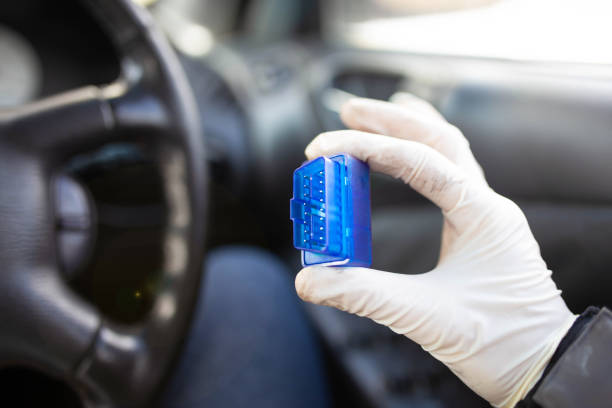
Buying a used car often feels like a risky bet. What appears to be a great deal can quickly turn into a costly mistake due to hidden accident histories or manipulated mileage. Fortunately, today’s technology empowers buyers with a powerful advantage during the inspection process.
By using a Bluetooth OBD2 scanner, you can access the vehicle’s internal data and uncover information that isn’t visible on the surface. Instead of relying solely on appearances or seller claims, you gain real insight into the car’s true condition.
In this guide, we show you how to quickly identify signs of odometer tampering and detect hidden engine issues with confidence. With the right tools and knowledge, you can avoid unexpected repair costs and make a smarter, more secure purchase decision before signing any contract.
1. The Hidden Dangers of the Used Car Market
Sellers often go to great lengths to hide a vehicle’s true history.
Odometer Fraud: The Art of Clocking
Dishonest sellers often “roll back” the digital odometer to increase the car’s value. Consequently, a high-mileage engine appears much younger and fresher than it truly is. This leads to unexpected mechanical failures shortly after the purchase. Therefore, you cannot rely on the dashboard numbers alone anymore.
Hidden Fault Codes and Emission Issues
Sellers may simply clear the “Check Engine” light right before you arrive. This trick hides serious engine or transmission problems temporarily. Furthermore, expensive emission system failures can remain invisible during a short test drive. Consequently, you might face a massive repair bill within the first week. You must look deeper than the dashboard’s surface.
2. The Power of Bluetooth OBD2 Scanners for Buyers
A simple diagnostic tool reveals the truth hidden inside the car’s computer.
Reading the Real Mileage (ECU vs Dashboard)
Many modern vehicles store their mileage in multiple electronic modules. Consequently, Bluetooth OBD2 scanners can often pull data directly from the Engine Control Unit (ECU). You can then compare the ECU’s recorded mileage with the dashboard numbers. Furthermore, some scanners show “Engine Hours” to help you estimate true wear. Therefore, any large difference is a major red flag for fraud.
Checking the “Readiness Monitors”
When a seller clears fault codes, the car’s “Readiness Monitors” reset to zero. These monitors take several miles of driving to complete their cycle. Consequently, if the monitors are “Not Ready,” the seller likely recently erased an error. This is a common tactic to hide persistent catalytic converter failures. Therefore, you should always ask for a longer test drive in these cases.
3. Advanced Detection: Freeze Frames and Pending Codes
Experienced buyers use specialized techniques to find even deeper secrets.
-
Check for “Pending” Codes: These are faults that have occurred but have not yet triggered the dashboard light.
-
Review “Freeze Frame” Data: This captures the engine’s exact state when a past fault occurred.
-
Monitor Live Sensor Data: Observe the oxygen sensors and fuel trims during a road test.
Consequently, you gain a professional-level understanding of the car’s mechanical health. Bluetooth OBD2 scanners act as your digital eyes inside the engine block. Furthermore, you can save the diagnostic report directly to your smartphone. This provides you with powerful leverage during price negotiations.
Conclusion: Protect Your Investment Before You Buy
Buying a car without a diagnostic check is a risky decision today.
Do not let a shiny exterior hide a mechanical nightmare. Instead, rely on the proven power of Bluetooth OBD2 scanners to verify the vehicle’s health. Consequently, you will avoid the “lemon” cars that flood the market. Experience the peace of mind that comes with knowing the true history of your next ride. Your bank account will thank you for this simple, high-tech precaution.
☞: Looking at our Lonauto‘s Products!

